
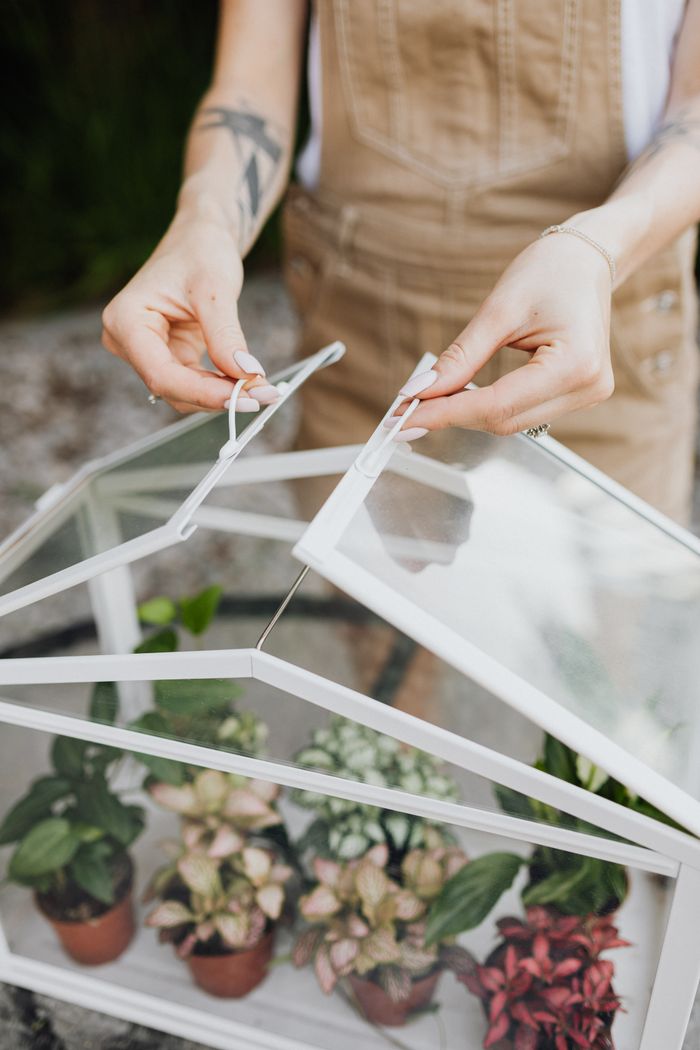
A greenhouse can transform your backyard into a productive, year-round growing space. Whether you’re starting seedlings, growing vegetables, cultivating flowers, or extending your gardening season, choosing the right greenhouse is the first step toward success.
With so many sizes, materials, and designs available, selecting the best greenhouse can feel overwhelming. This guide will help you understand the key factors to consider so you can find a greenhouse that fits your space, gardening goals, and budget.
Why Invest in a Backyard Greenhouse?
A greenhouse creates a controlled environment that protects plants from unpredictable weather while providing ideal growing conditions.
Benefits include:
- Extend the growing season
- Protect plants from frost, wind, and heavy rain
- Start seeds earlier in spring
- Grow vegetables, herbs, and flowers year-round in many climates
- Improve plant growth with consistent temperature and humidity
- Reduce pest damage
Whether you’re a beginner or an experienced gardener, a greenhouse offers greater flexibility and healthier plants.
1. Determine Your Gardening Goals
Before choosing a greenhouse, think about how you plan to use it.
Ask yourself:
- Will you grow vegetables, herbs, or flowers?
- Do you need space for seedlings?
- Are you gardening year-round or seasonally?
- How many plants do you plan to grow?
- Will you need storage for gardening tools?
Your intended use will influence the ideal size and design.
2. Choose the Right Greenhouse Size
One of the biggest mistakes gardeners make is buying a greenhouse that’s too small.
As your gardening experience grows, you’ll likely want more space.
General recommendations:
| Backyard Size | Suggested Greenhouse Size |
|---|---|
| Small patio | Compact greenhouse |
| Small backyard | 6×8 ft greenhouse |
| Medium backyard | 8×10 ft greenhouse |
| Large backyard | 10×12 ft or larger |
If your budget and available space allow, choosing a slightly larger greenhouse often provides better long-term value.
3. Select the Best Frame Material
The frame affects durability, appearance, and maintenance.
Wooden Greenhouses
Advantages:
- Natural appearance
- Excellent insulation
- Blends beautifully with garden landscapes
- Strong and durable when properly maintained
Best for:
- Home gardens
- Traditional landscapes
- Garden enthusiasts who appreciate natural materials
Aluminum Greenhouses
Advantages:
- Lightweight
- Rust-resistant
- Low maintenance
- Modern appearance
Best for:
- Contemporary gardens
- Humid environments
- Gardeners seeking minimal maintenance
4. Consider the Glazing Material
The panels covering your greenhouse influence light transmission and insulation.
Common options include:
Polycarbonate Panels
- Excellent insulation
- UV protection
- Impact resistant
- Lightweight
Glass
- Maximum light transmission
- Elegant appearance
- Easy to clean
- Heavier and more fragile
For most home gardeners, polycarbonate offers the best balance of durability and performance.
5. Choose the Best Location
Location plays a major role in greenhouse performance.
A good location should provide:
- At least 6–8 hours of sunlight daily
- Good drainage
- Easy access to water
- Protection from strong winds
- Convenient access from your home
Avoid placing a greenhouse beneath large trees, where falling branches and excessive shade may become problems.
6. Pay Attention to Ventilation
Proper airflow prevents overheating, excessive humidity, and plant diseases.
Look for greenhouses with:
- Roof vents
- Side windows
- Adjustable ventilation panels
- Automatic vent openers (optional)
Good ventilation creates a healthier growing environment throughout the year.
7. Think About Interior Space
A greenhouse should be comfortable to work in.
Consider features such as:
- Wide walkways
- Shelving
- Potting benches
- Hanging baskets
- Tool storage
- Irrigation systems
Planning your layout in advance helps maximize growing space.
8. Consider Local Climate
Your local weather conditions should influence your choice.
Cold Climates
Choose:
- Double-wall polycarbonate
- Strong frame construction
- Better insulation
- Additional heating options
Warm Climates
Prioritize:
- Excellent ventilation
- Shade cloth compatibility
- Roof vents
- UV-resistant materials
A greenhouse designed for your climate performs better and lasts longer.
9. Evaluate Maintenance Requirements
Different greenhouse materials require different levels of care.
Wooden greenhouses typically need:
- Periodic sealing or painting
- Annual inspections
- Regular cleaning
Aluminum greenhouses generally require:
- Occasional cleaning
- Minimal maintenance
- Hardware inspection
Choose the option that matches your preferred maintenance routine.
10. Look for Quality Construction
A well-built greenhouse offers better durability and long-term value.
Look for features including:
- Sturdy frame construction
- Weather-resistant materials
- Secure door systems
- Strong panel fasteners
- Quality hardware
- Reliable structural design
Investing in quality now can reduce maintenance and replacement costs later.
Common Mistakes to Avoid
Avoid these common buying mistakes:
❌ Choosing the smallest greenhouse available
❌ Ignoring ventilation
❌ Installing on uneven ground
❌ Buying based only on price
❌ Underestimating future gardening needs
Planning ahead helps ensure your greenhouse remains useful for many years.
Frequently Asked Questions
What size greenhouse is best for beginners?
A 6×8 ft or 8×10 ft greenhouse provides enough space for vegetables, herbs, flowers, and seedlings while remaining manageable for most homeowners.
Is a wooden greenhouse better than an aluminum greenhouse?
It depends on your priorities. Wooden greenhouses offer a natural look and excellent insulation, while aluminum models are lightweight, durable, and require less maintenance.
Where should I place my greenhouse?
Choose a level area with full sun, good drainage, protection from strong winds, and convenient access to water.
Do backyard greenhouses need a foundation?
Many permanent greenhouses benefit from a stable foundation, which improves structural strength, drainage, and overall longevity.
Can I use a greenhouse all year?
Yes. With proper ventilation, insulation, and climate control, many greenhouses can be used throughout the year, depending on your local weather conditions.
Final Thoughts
The right greenhouse should match your gardening goals, available space, local climate, and long-term plans. By considering factors such as size, frame material, glazing, ventilation, and construction quality, you can choose a greenhouse that supports healthy plant growth and provides years of reliable use.
Whether you’re growing fresh vegetables, colorful flowers, or starting seedlings for the next season, a thoughtfully selected greenhouse is a valuable investment that helps you enjoy gardening in every season.